Proven Across Diverse Care Settings: Distinct Milestones from 20 to 100+ Beds
Every care environment faces unique overnight challenges. From eliminating 24/7 call-bell panic and resolving nocturnal unrest through GP and MDT reviews, to sustaining 8-month zero-fall streaks, demonstrated across independent care groups without intrusive cameras or wearables.
How Ambient Acoustic AI Adapts to Every Care Setting
Earzz is not a generic buzzer or an unproven trial. Operating across hundreds of monitored beds in England and Wales, our platform delivers reproducible milestones tailored to each care home's unique layout, resident acuity, and night care workflow.
Zero-Fall Horizons & Cognitive Blind-Spot Resolution
Overcomes the non-advocate dementia gap (>70% cannot reliably press call bells). Passive sound precursor alerts intercept bed-exit attempts in the dark, sustaining 6- to 8-month consecutive zero-fall streaks without intrusive floor mats or optical cameras.
Sleep Restoration & Multidisciplinary Medication Loops
Eliminating up to 66 physical door awakenings nightly per home. Anchored in published gerontology (Hill et al., PMID: 17301039; 4.5× fall odds ratio from fragmented sleep). Acoustic trend telemetry equips managers to review medication with clinical specialists, settling unrest by 75%.
Acoustic Priority Triage & Alarm Fatigue Elimination
Replaces 24/7 ringing nurse-call buzzers and "oldest call first" triage with differentiated handset audio alerts. Night teams immediately recognise high fall-risk vocal distress and bed mobilization, cutting attendance from 8–9 minutes down to 2–3 minutes.
Nocturnal Cough Tracking & Informing Routine GP Reviews
Passively tracks room sound activity and nocturnal coughing trends behind closed doors with zero audio storage. By surfacing acoustic trends over time, care teams gain objective, factual observations to share during routine GP visits and multidisciplinary reviews, providing over 9 days of early visibility across rooms to support resident comfort and timely care interventions.
Workforce Relief, Post-Fall Admin & Sustainable Night Operations
Eliminating the dread of discovering unwitnessed falls relieves acute night staff anxiety and avoids emergency shift disruption. Saving 4–6 hours of post-fall crisis admin per incident preserves night-carer energy for resident wellbeing, while objective nocturnal activity logs provide unshakeable evidence for CQC 'Safe' and 'Well-Led' regulatory reviews.
Featured Provider Case Study Dossiers
Published dossiers selected across diverse independent groups, community homes, and campus villages, featuring audited telemetry, registered manager quotes, and SVG graphs.

Wilford View (83 Beds)
Dual Milestone: Active bedroom falls halved MoM down to 4 (▼ 68.3%) + MDT review resolved nocturnal restlessness by 75%.
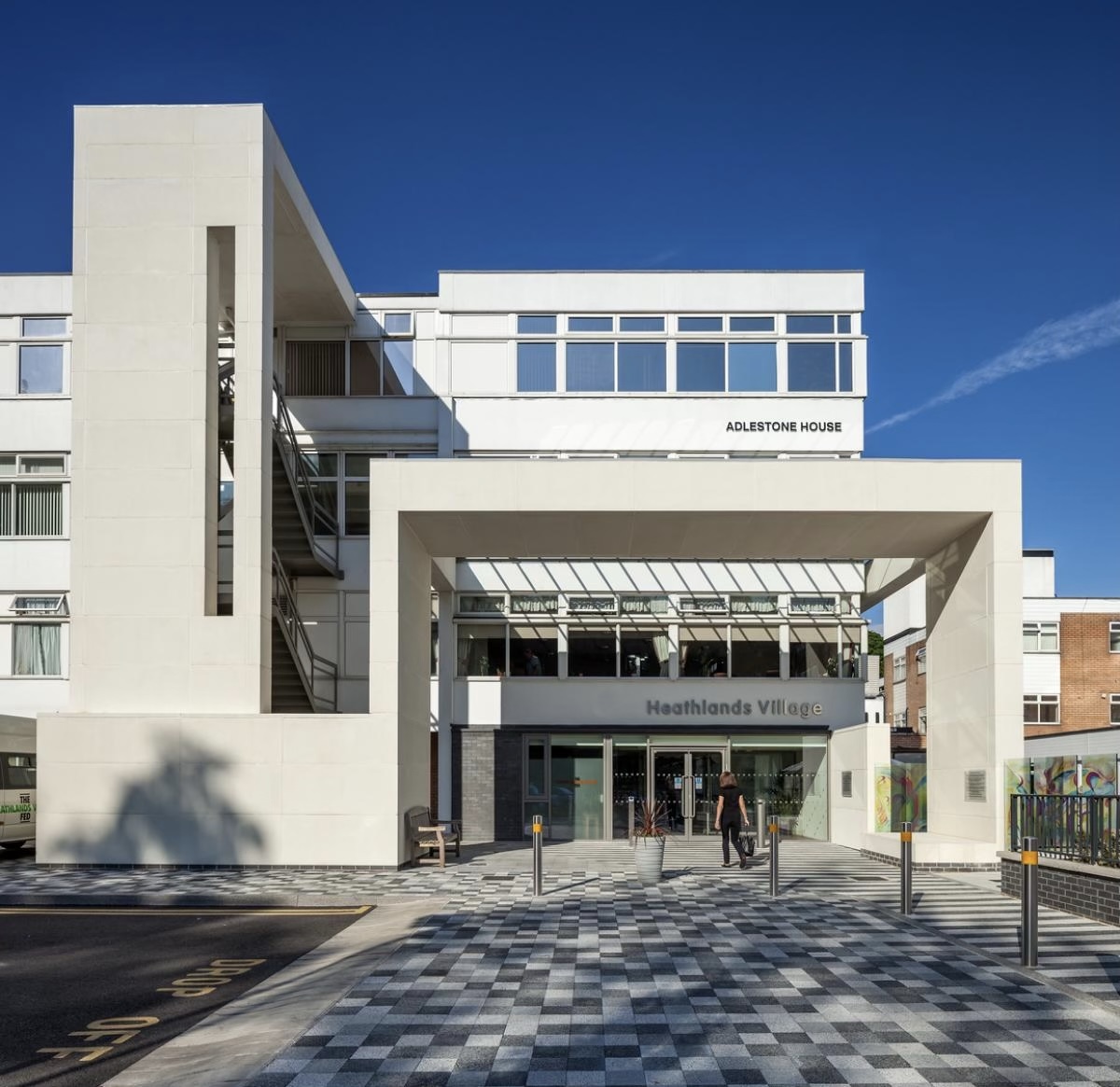
Heathlands Village (100+ Beds)
Milestone: 86% night fall collapse across 5 households co-funded by NHS GM ICB. Cough sound patterns shared during weekly GP rounds.
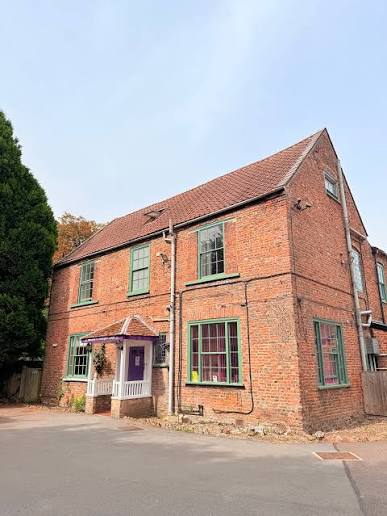
Terrington Lodge (25 Beds)
Milestone: Rescued sleep continuity: 13 monthly falls collapsed to 0–1; 66 door awakenings eliminated nightly.
 Digital Care Hub Feature • London
Oatleigh Care Home
Milestone: Featured on Digital Care Hub; eliminated 100% of bedroom falls in monitored rooms and removed disruptive night patrols through quiet handset alerting.
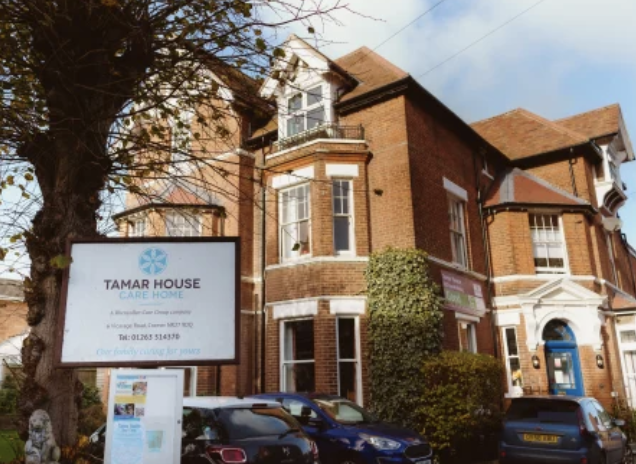
Tamar House (20+ Beds)
Milestone: Sustained 8 consecutive months with zero bedroom falls in a high-cognitive-impairment dementia cohort.
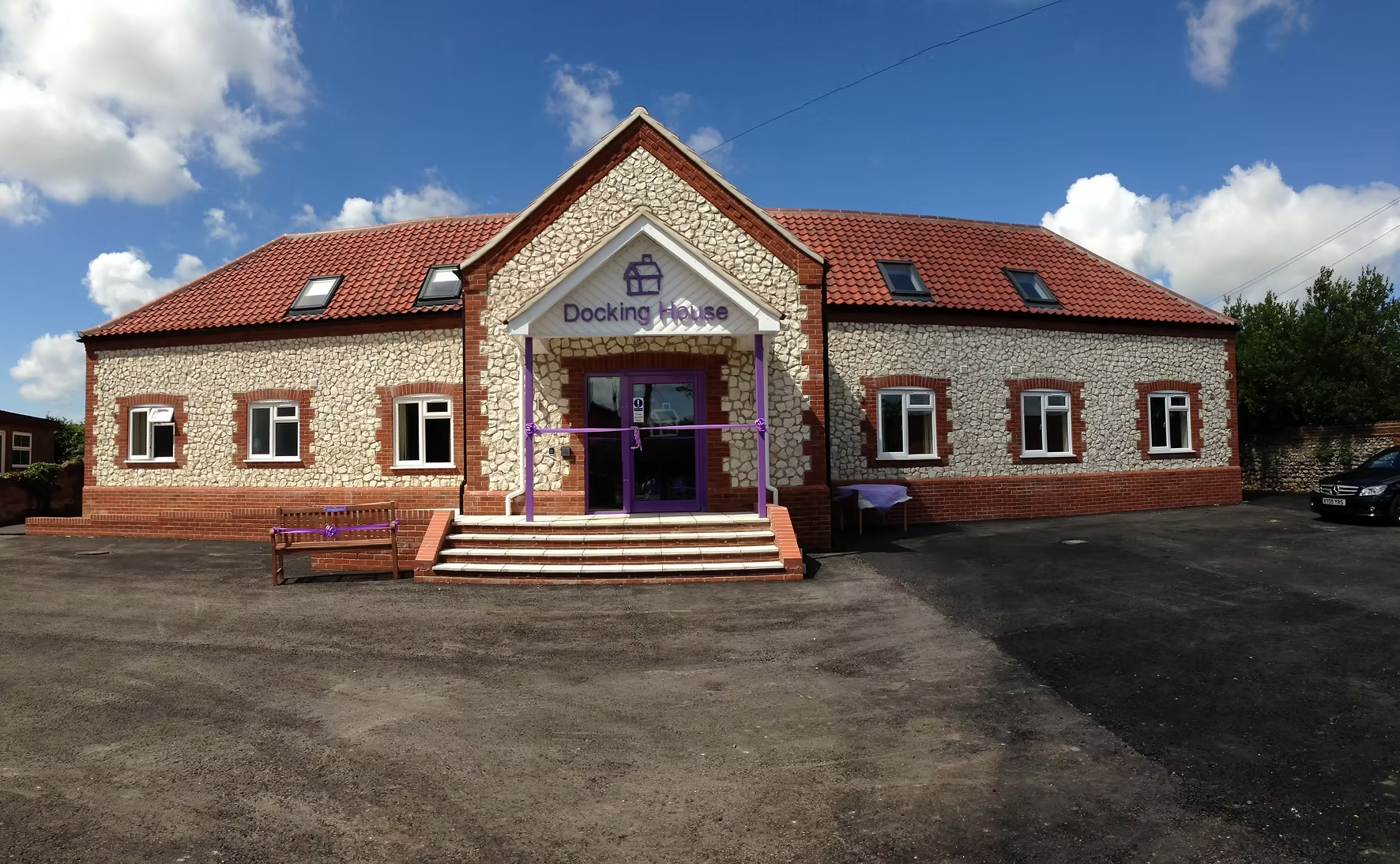
Docking House (39 Beds)
Milestone: Replaced constant buzzer noise with acoustic priority triage; attendance speed improved from 8–9m down to 2m 20s.
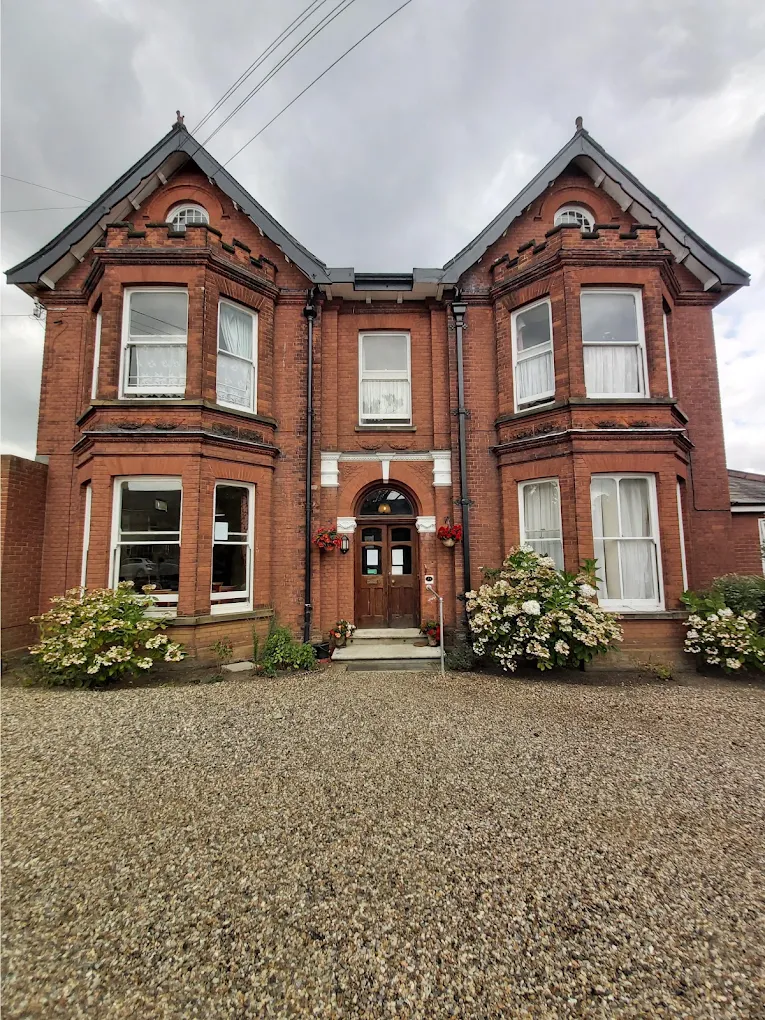
Estherene House (40 Beds)
Milestone: 82% drop in falls over 1 year (16 down to 3 falls/mo; 108 averted); 750+ direct care hours reclaimed; 9-day visibility on nocturnal cough trends.
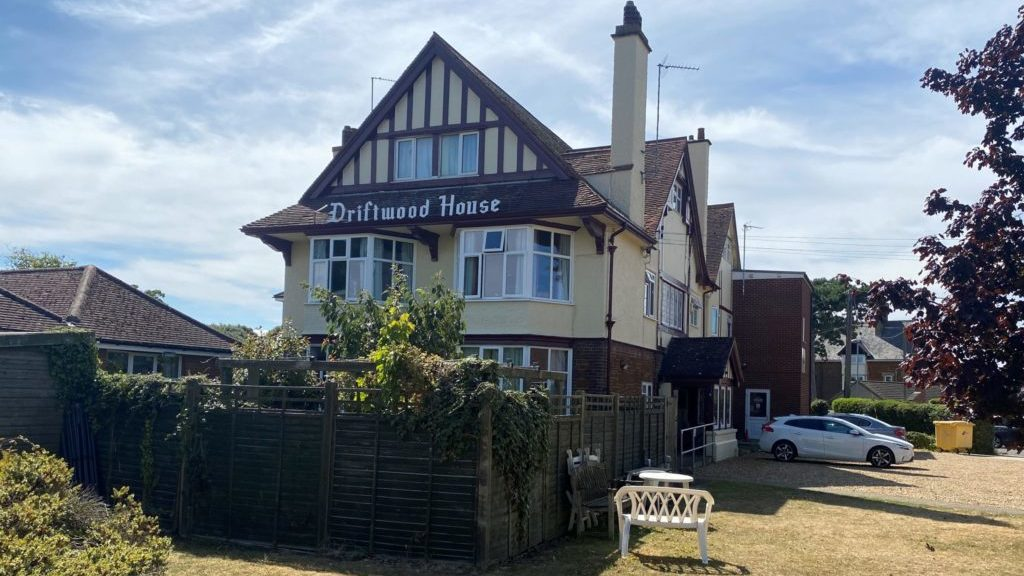
Driftwood House (28 Beds)
Milestone: Intercepted unheard vocal distress in advanced dementia; 100% zero unwitnessed falls and profound reassurance for resident families.
Hear Directly from Care Leaders & Frontline Teams: Watch & Listen
Gain perspectives across the full care hierarchy, from provider CEOs evaluating workforce ROI, to clinical directors safeguarding night triage, operations directors managing scale, and registered home managers leading daily frontline change.

Raj Sehgal
CEO, ArmsCare GroupBoard Director, NorCA & NCA“Hourly door checks wake people up, and they fall right after. Prioritising Earzz alerts dropped falls to almost zero, eased that knot in carers' stomachs, and saved £60k–£70k annually in unneeded night agency cover.”
Karen Johnson
Dir of Clinical ServicesThe Fed / Heathlands Village“Night-time falls fell by 86% across our 5 households. The data behind Earzz gives our night care teams objective evidence on nocturnal restlessness and coughing trends to share during routine GP visits.”
Kate Kay
Operations DirectorFortava Healthcare“Earzz supports night carers without adding admin burden. Attending up to 15× faster with continuous welfare checks evidenced in care records creates a reproducible blueprint we are expanding to Stapleford View.”

Tabish Syed
Home ManagerWilford View Care Home“Automated trend reports gave us the objective proof needed to collaborate with visiting MDT specialists and adjust medication. Watching that resident settle (restlessness down 75%) with zero falls since is the ultimate validation.”
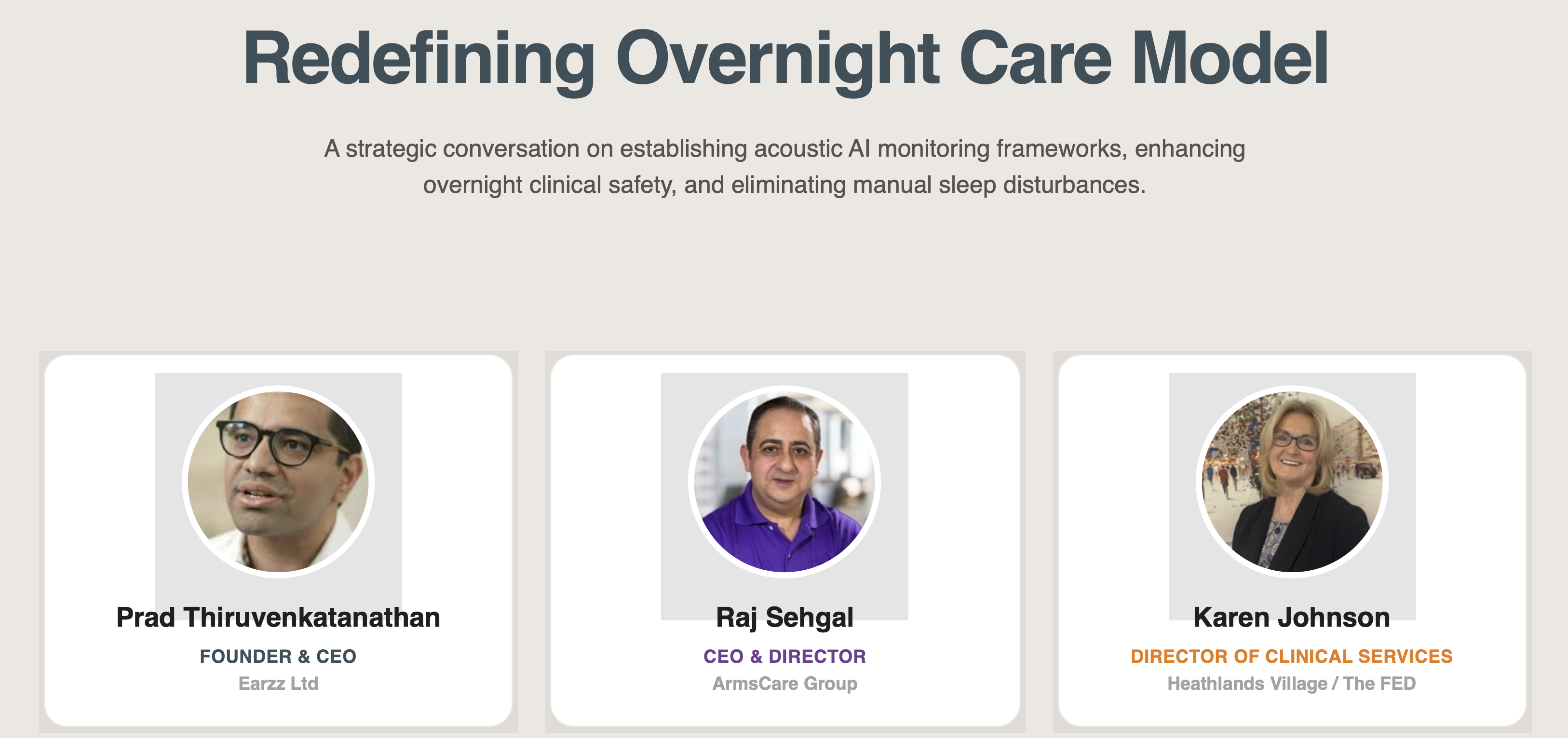 Karen Johnson (The Fed)Raj Sehgal (ArmsCare)
 Dr. Prad (Earzz)
“If a resident has disturbed sleep, they aren't performing at their best the next day, physically or mentally—leading to increased fall risk. Night-time falls fell by 86% across our households. The data gives our care teams objective clinical insights into restlessness and coughing behind closed doors to share during routine GP visits.”
Karen Johnson, Director of Clinical Services, The FedHeathlands Village (100+ Beds)Raj Sehgal (CEO, ArmsCare Group • NorCA Board Director)“In our homes, we had hourly checks. But when people woke up as staff closed the door, they'd fall in that hour... When we prioritised Earzz alerts, bedroom falls dropped to almost zero across Terrington, Docking, and Driftwood. It eased that knot in carers' stomachs and saved £60,000–£70,000 annually in unneeded night agency cover.”
Raj Sehgal, CEO, ArmsCare Group • Board Director, NorCA & NCA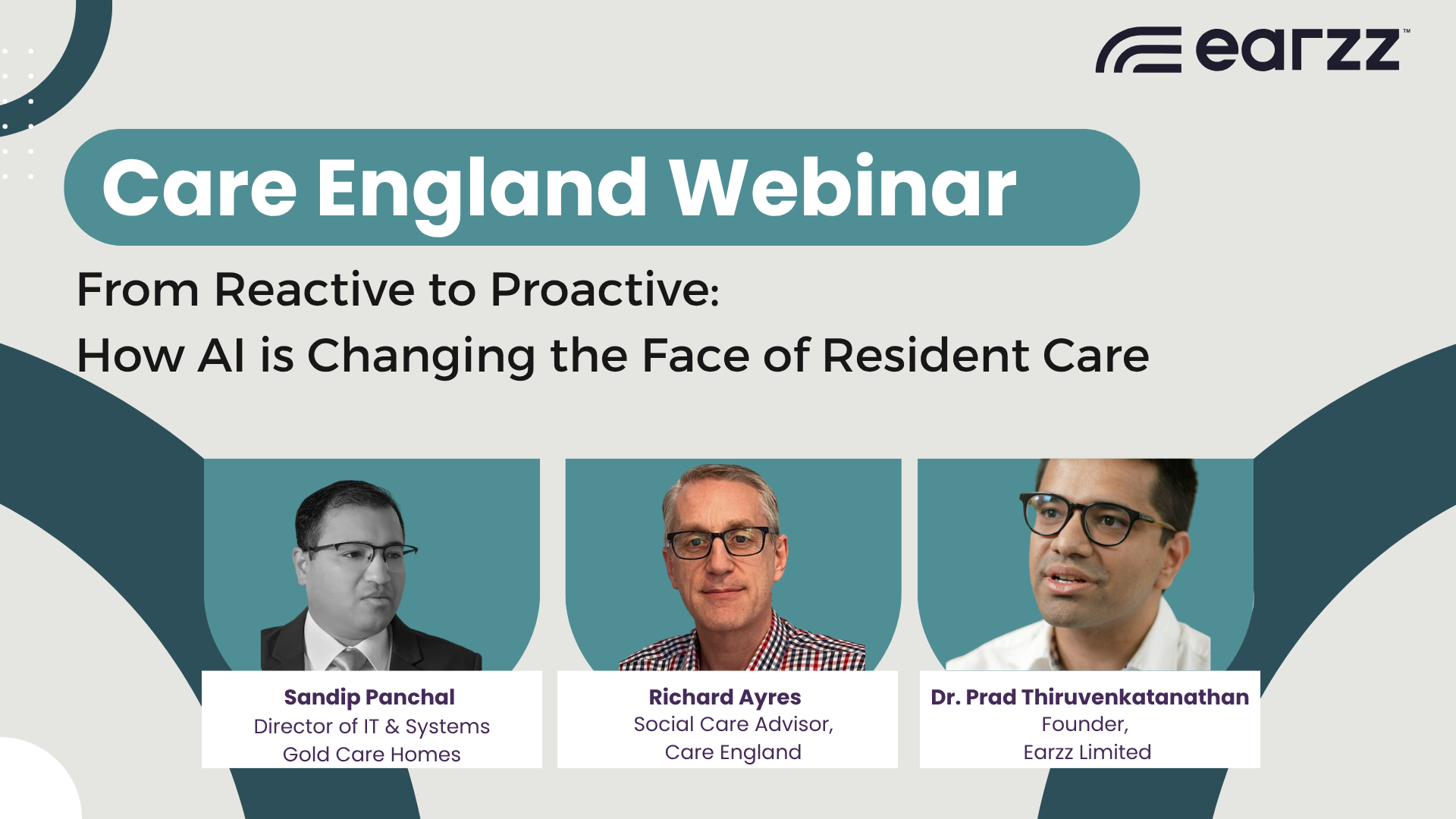 Dr. Prad (Earzz)
“With Earzz, you get so much more than fall detection—you get behavioural pattern trending. In our pilot rooms, we noticed a 100% fall reduction, and carer response times improved from 6 minutes down to less than 2 to 3 minutes. It doesn't require additional infrastructure, works on existing handsets, and helps optimise night staffing without waking residents.”
Wilford View: Dual-Track Operational & Care Planning Milestone
Demonstrating both Track A (70% Facility Fall Halving) and Track B (Multidisciplinary MDT Care Loop Reversing Nocturnal Agitation).

“Achieving an audited 70% reduction in bedroom falls at Wilford View within just two months proves the immense value of technology-enabled care when embraced by frontline teams. It gives our residents dignity and peaceful nights while giving managers the data-driven clarity needed to deliver proactive care interventions.”
 Johann van Zyl, Chief Executive Officer, Fortava Healthcare
“Seeing active bedroom falls reduce by ~70% down to just four across an 83-bed home at Wilford View is an outstanding milestone. Sparing residents emergency hospital transfers and giving our night carers confidence is the true definition of quality care. Scaling to Stapleford View is a natural strategic decision.”
 Jamie Stuart, Chief Financial Officer, Fortava Healthcare
“Receiving automated insights and factual reports gave us the evidence needed to collaborate with visiting MDT specialists and inform recent medication reviews promptly. Watching that resident settle back to restorative sleep and seeing unassisted falls stop completely is the best validation any care team could ask for.”
Tabish Syed, Home Manager, Wilford ViewCompounding momentum: active falls fell by 36.5% in Month 1, then halved again in Month 2 down to just 4 falls across 83 beds.
Earzz fully integrates with Fortava's digital care planning ecosystem. Across the audited window, continuous digital welfare checks were timestamped into care records, evidencing audit compliance without requiring intrusive door checks that wake residents.
Heathlands Care Village: 86% Night Fall Drop & Objective Sound Trends

“With 97 beds across 5 households, managing night care triage requires high efficiency. In our first 3 months, bedroom falls dropped from 15 down to 6, and nighttime falls dropped by 86% down to just one. What I find invaluable is the data behind Earzz—it gives our team objective insights into restlessness and coughing that you wouldn't know otherwise behind closed doors.”
Karen Johnson, Director of Clinical Services, Heathlands“We tracked a cluster of coughing on our 16-bed household. The system picked up raised coughing in one room, and as sociable residents gathered in communal spaces, we noticed sound patterns shifting across adjacent rooms. It gave our team factual evidence to discuss with our visiting GP and review residents promptly—insights you simply wouldn't have without listening outside closed doors all night.”
Karen Johnson, Director of Clinical Services (Care England Webinar)Terrington Lodge: 92.3% Fall Collapse & 60% Fewer Sleep Disruptions
“We have only had one fall in the bedroom since early July... the decline from an average of 13 monthly falls demonstrates the value of the acoustic system. Night carers are notified the instant movement or distress occurs, allowing them to provide reassurance before an unassisted exit happens.”
Victoria Harrison, Registered Home Manager“In our homes, we had hourly checks. But when people woke up as staff closed the door, they'd fall in that hour and remain on the floor. When we prioritised Earzz alerts, falls dropped to almost zero. It eased that knot in carers' stomachs and saved £60,000–£70,000 annually in night cover.”
Raj Sehgal, CEO, ArmsCare GroupOatleigh Care Home: 100% Fall Elimination in Monitored Rooms & Restoring Night Rest
Published on Digital Care Hub: How family-run Jawa Group eliminated unassisted falls in monitored rooms and enhanced resident sleep dignity.
Oatleigh Care Home • Bromley, LondonFamily-Run Dementia & Residential Care Since 1989Overcoming Digital Scepticism with Compassionate Tech
Rishi Jawaheer, Director of Jawa Group, grew up immersed in the family business. Past experiences with digital systems had left them cautious. Determined to reduce night fall risks without intrusive equipment, they trialled Earzz alongside frontline carers.
“The Earzz team were great to work with, incredibly responsive from the start. I wanted Earzz to better integrate with CareVision and they got started on this right away... Working with Earzz has been a big step forward for keeping residents safe. It shows how technology can bring people together and make care more compassionate.”
What Changed for Carers and Residents at Oatleigh
Traditional night rounds where staff inadvertently disturbed sleep were removed. Carers maintain acoustic vigilance without opening doors, giving residents genuine privacy and unbroken rest.
Carers receive acoustic notifications on existing CareVision handsets. Sounds of concern are triaged immediately, allowing targeted attendance before unassisted bed exits take place.
Featured nationally by Digital Care Hub (formerly Digital Social Care) as an exemplary model of collaborative technology adoption in independent social care, balancing frontline staff buy-in with compassionate resident safety.
Tamar House: 8 Consecutive Months of Zero Bedroom Falls

Overcoming the Dementia Blind Spot in Coastal Norfolk
Over 80% of residents at Tamar House live with cognitive impairment. Traditional call pendants were frequently forgotten or unused in the dark. Earzz acoustic monitoring was installed to listen for bed agitation and calls for help before unassisted mobilization could occur.
Consistently maintained rapid bedside response speeds (<7 mins average) across all rooms, keeping vulnerable residents safe while maintaining an 8-month zero-fall streak.
Now extended to 8 consecutive months with zero unwitnessed bedroom falls in a specialist dementia cohort.
Docking House: 1 Bedroom Fall in 6 Months Across 39 High-Acuity Beds
The Operational Challenge:
Docking House had traditionally relied on constant call bell alerts ringing around the clock. With night teams managing 39 high-dependency residents, carers attended on an "oldest call first" basis without knowing whether a room was an emergency or a routine call.
“We had call bells going off 24 hours. When Earzz was introduced, staff shifted from watching the buzzer list to prioritising high-risk residents who were vocalising or moving in bed. Within weeks, response times dropped from 8–9 minutes down to 2–3 minutes.”
Frontline Night Shift Review, Docking HouseHow Priority Triage Intercepted Falls & Protected Rest
Carer handsets emit distinct auditory alerts for movements or vocal distress from high fall-risk rooms, enabling night teams to attend John in room 6 before Mary who is safely mobile.
With response times digitised at the door, night shifts began benchmarking response speeds, driving average call attendance down below 2 minutes 30 seconds across the unit.
“We are pleased to report that we have only had one bedroom fall at night so far this year across the entire unit. Moving away from manual corridor checking has brought peace of mind to our night staff and uninterrupted sleep to our residents.”
Estherene House: 82% Drop in Falls Over 1 Year & 750+ Hours Direct Care Reclaimed

Continuous acoustic monitoring recorded room-by-room coughing frequencies behind closed doors, observing acoustic shifts across adjacent private bedrooms over an average 9.2-day window. By logging factual acoustic trends with zero audio storage, the system provided care management with clear evidence to review communal spaces, direct enhanced housekeeping, and share objective observations with visiting GPs during routine reviews.
Driftwood House: 100% Zero Bedroom Falls & Unheard Distress Interception
A resident living with advanced dementia frequently called out and shouted in frustration at night. Due to her condition, she was unable to remember or use a call button.
“The family were very concerned about their mother shouting. When we installed Earzz, staff were alerted immediately to her vocalisations. Because carers attended within minutes, her frustration subsided, her shouting decreased dramatically, and her family had complete peace of mind.”
Care England Webinar Clinical Case ReviewFollowing installation in Month 1, unwitnessed falls collapsed to zero by Month 2 and remained zero throughout Month 3.
Driftwood utilised objective Earzz telemetry (waking trends, vocalisation patterns, attendance velocity) to demonstrate dignified, responsive night care to concerned families and multidisciplinary reviewers:
“The data behind the calls is so reassuring. Knowing exactly when a resident becomes restless or vocalises means staff can attend promptly with warm reassurance. It completely removed the anxiety for families who knew their loved one was never left struggling in the dark.”
Frontline Care Management Review, Driftwood House


