Transforming Dementia Care Through Non-Verbal Communication Technology
Manor House Care Home — Room 6 Operational & Safety Analysis

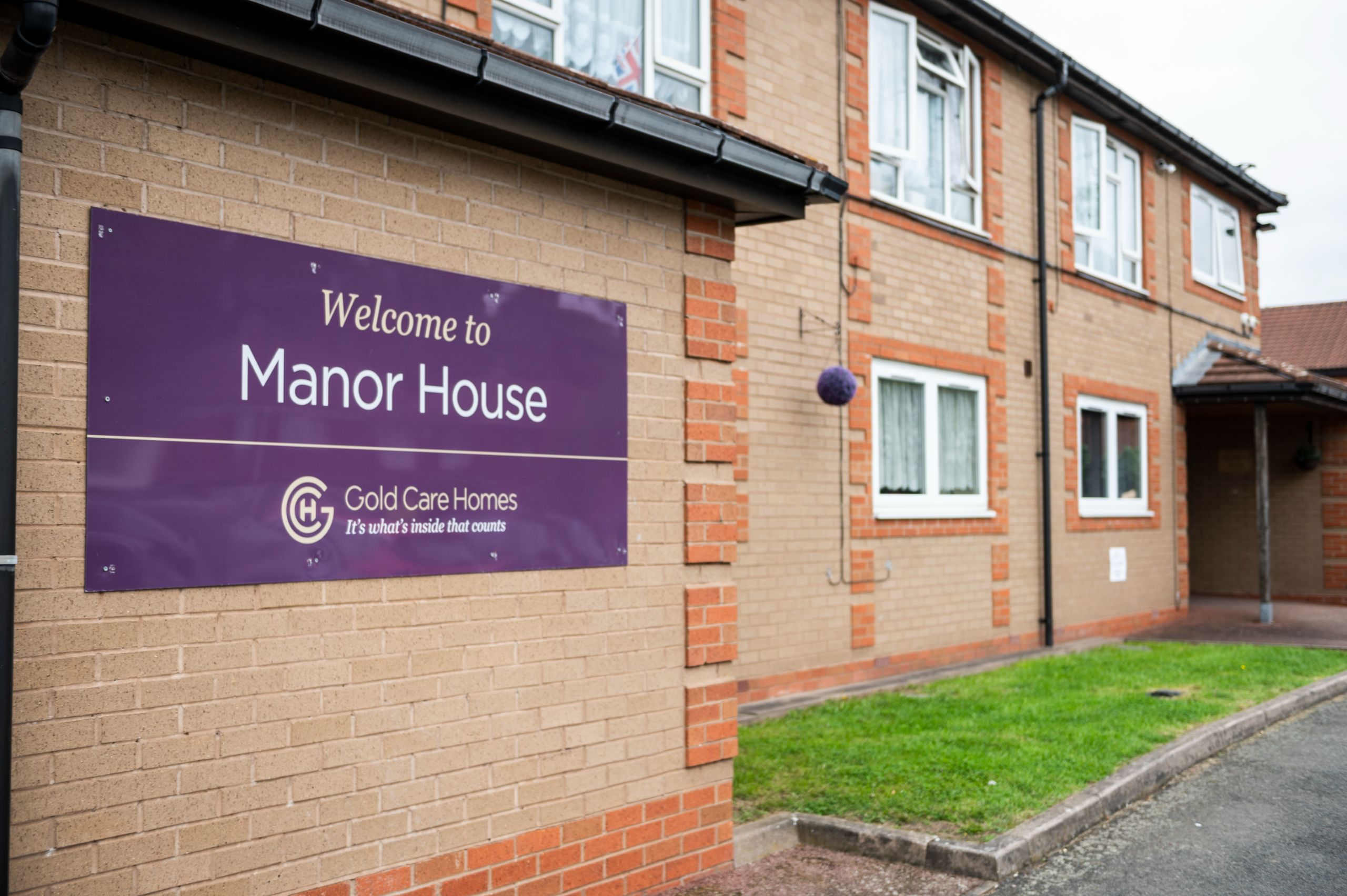
Manor House, Birmingham
The Challenge: Bridging the Performance Gap
Room 6 housed a high-risk resident with vascular dementia who was unable to articulate immediate needs. Like 70% of residents in the trial, cognitive impairment prevented them from using standard call bell systems.
The existing model relied on hourly routine checks. This created dangerous performance gaps; distress occurring immediately after a round resulted in long wait times for support, causing escalating agitation and increasing the likelihood of unassisted transfer attempts (falls).
Our Solution: Active Acoustic Intelligence
Implementation of Earzz AI to transition the home to a proactive care model. The system monitors non-verbal distress markers—such as shouting, acute restlessness, or thuds—24/7.
By identifying these behavioural distress signals in real-time, the AI provides immediate Earzz AI Alerts to staff. This enables rapid intervention to address pain, thirst, or repositioning needs before they escalate into high-crisis behavioural incidents.
Response Efficiency Transformation
Quantifying the performance shift from routine checks to AI-driven alerts
60 Minute Max Latency
High-risk residents historically waited up to an hour for support between rounds, often leading to unmonitored distress.
6 Minute Avg Response
Response to Earzz AI Alerts enabled intervention within minutes of distress signals being detected.
90% Reduction in Delay
Faster support directly resulted in zero falls in monitored rooms during the trial period.
Operational & Safety Outcomes
1. Improved Rest & Reduced Delirium
By eliminating the need for intrusive physical rounds and torch-shining, the home preserved residents' circadian rhythms. Reduced sleep fragmentation led to noticeably calmer daytime environments and lower levels of irritability.
2. Crisis Prevention
Responding to early acoustic cues allowed staff to de-escalate situations before they reached crisis levels. This resulted in a 60% quieter overnight environment, benefiting both staff and the broader resident population.
Value Realised
- Zero Falls: Rapid intervention prevented unassisted attempts to mobilise at night.
- Targeted Resource Deployment: 40% of checks are now proactive, allowing staff to focus on actual clinical need.
- Objective Evidence: Digital logs provided robust data for dependency reviews and regulatory inspections.
Performance & Safety
Manor House has moved from a reactive checking model to one of active responsiveness. For the 70% of high-risk residents who cannot use a call bell, Earzz ensures they are never unheard. This technology has successfully bridged the performance gap in dementia safety overnight.
10X
Faster Response
Zero
Bedroom Falls


